

The Team
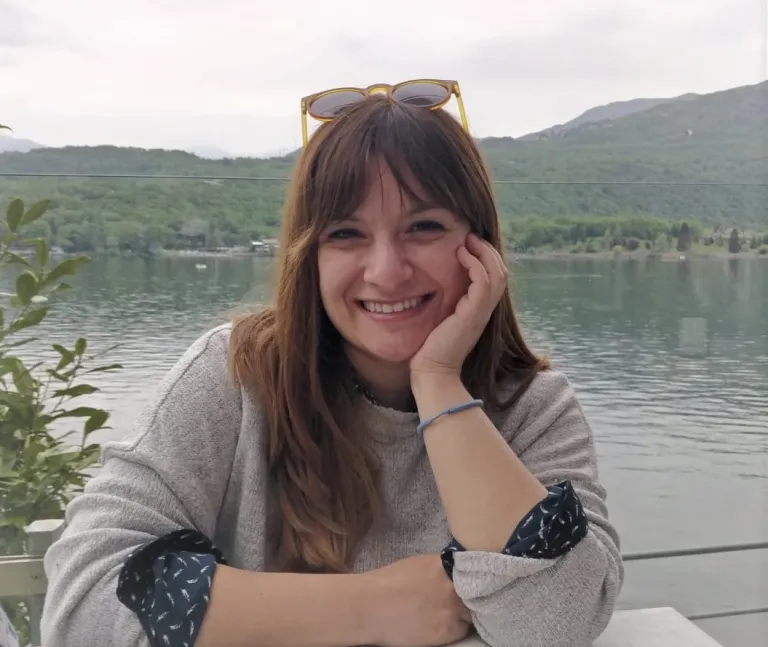
Elena Isaevska, PhD
Postdocotral Researcher
Elena is a postdoctoral researcher at the Department of Child and Adolescent Psychiatry with a background in medicine, epidemiology and (epi)genetics. Her main research interests are on prenatal and early childhood exposures, their associations with long term health outcomes and the biological mechanisms that underlie them. In her current work she is focused on the intergenerational transmission of mental health risk, in particular on the distinctive epigenetic patterns created by genetic and early environmental factors, including parental mental health, that be used as a predictive marker for future mental health outcomes. Her other interests are statistical methods applied in epidemiological studies, especially population based birth cohorts.

Mina Shahisavandi, Pharm.D
PhD student
Mina is a PhD candidate at department of Child and Adolescent Psychiatry of Erasmus MC. She obtained her Pharm.D degree at Shiraz University of Medical Sciences, Iran. Afterward, she worked for a year as a research assistant at the Epilepsy Research Center, where she involved in projects to understand psychiatric comorbidities in patients with epilepsy . After her experience at the Epilepsy Research Center, Mina became intrigued by epidemiology and methodology, prompting her decision to pursue a master’s degree in Health Sciences at the Netherlands Institute for Health Sciences, Erasmus MC.
During her master’s program, Mina became a scientific researcher in the Molecular and Genetic Epidemiology Group within the Department of Epidemiology. There, she gained invaluable experience working with metabolomics platforms (specifically Nightingale and Metabolon) in conjunction with genomics data from the Rotterdam Study. Her work involved conducting multiple Genome-Wide Association Studies (GWAS) within the CHARGE Consortium.
With a strong foundation in molecular and genomic epidemiology, Mina’s primary interest lies in understanding the underlying mechanisms of psychiatric disorders. Her current Ph.D. project focuses on elucidating how maternal prenatal depression impacts child mental health and disentangling genetic and environmental routes of transmission.

Tim Finke, M.Sc.
PhD student
Tim is a PhD student at the Department of Child and Adolescent Psychiatry/Psychology. He received a Master’s degree in Genes in Behaviour and Health at the Vrije Universiteit of Amsterdam, where he gained experience working with twin data, performing multi-omics analyses, and programming in R, Python and Unix/Linux. His desire to analyse genetic and environmental influences on behaviour in a context of mental health, led him to our department. During his PhD, Tim will study the role of epigenetic mechanisms in the intergenerational transmission of psychiatric risk from parents to offspring, including the characterization of circulating miRNA profiles in the general paediatric population, the genetic and environmental influences on miRNA profiles, and the role of miRNA as a potential marker versus as a mechanism of intergenerational transmission.

Boglarka Kovacs, PhD
Postdocotral Researcher
Boglarka Kovacs is a PhD student at Erasmus MC, in the Department of Child and Adolescent Psychiatry and Psychology. She works within the FAMILY consortium, where we look at intergenerational transmission of risk for mental illness and resilience. Her research focuses on understanding how brain development may contribute to vulnerability and resilience across generations in these children of parents with severe mental illness. She is especially curious about why some children remain resilient despite increased risk, while others develop mental illness, and how early life experiences, even before birth, may shape these pathways. She loves working at the intersection of neuroscience, psychology, and developmental research. She is particularly interested in moving beyond group averages toward a better understanding of individual developmental trajectories and prediction of mental health outcomes. She hopes this work can contribute to identifying vulnerability earlier and supporting children before symptoms emerge.